Black History Today: Cynthia Green, a living testament to the power of collective care
/Black History Today, created by Marcus Harden in honor of Black History Month, pays tribute to the living legacy of Black history in our community and beyond and recognizes the people among us who are boldly shaping the future.
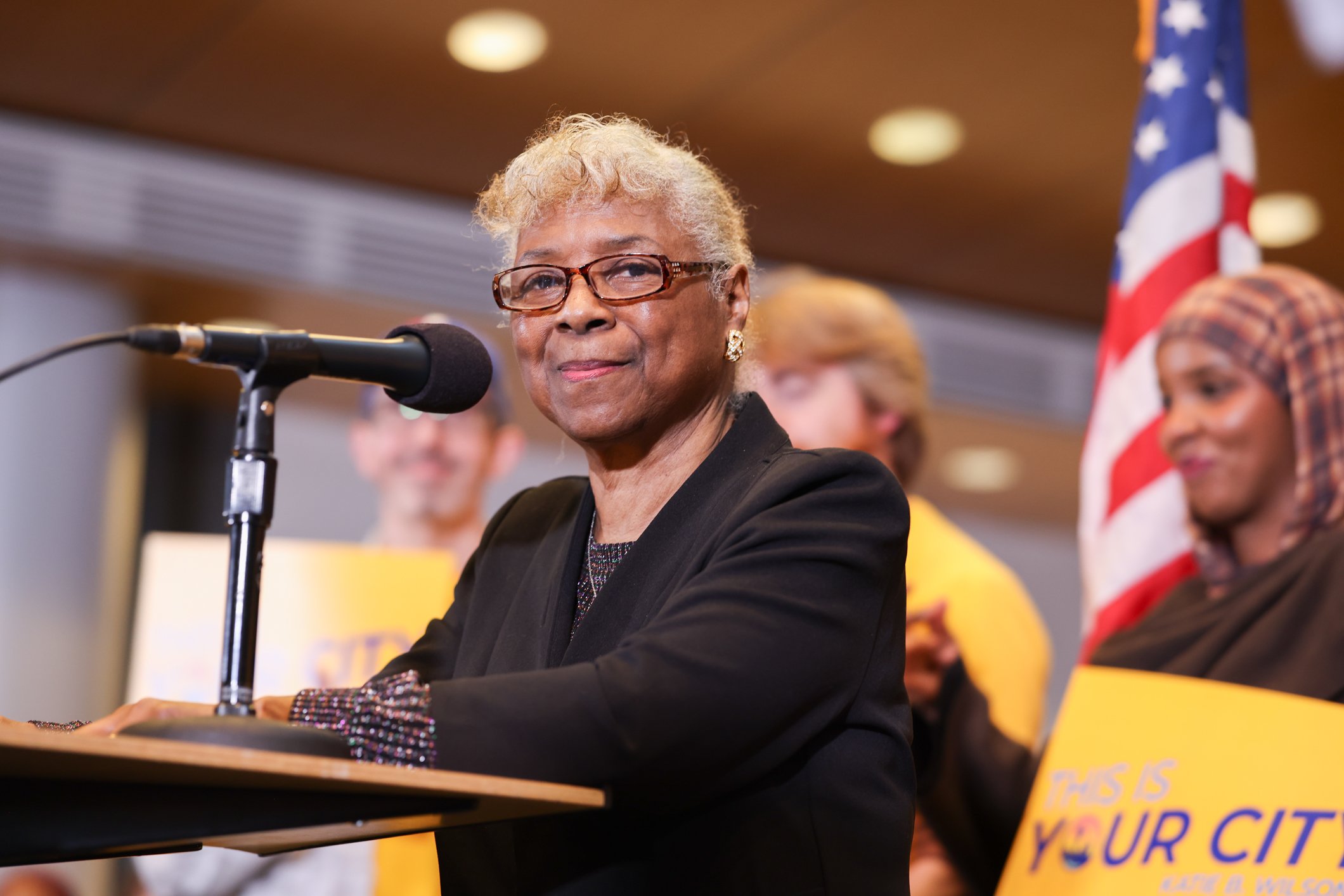
Photo by Alex Garland
“The function of freedom is to free someone else.”
By Marcus Harrison Green
There are women whose names fill textbooks. And then there are women whose labor fills the gaps those textbooks leave behind.
My mother, Cynthia Anne Green, belongs to the latter tradition: the lineage of Black women who have served as the quiet infrastructure of American democracy. The ones who stabilized families while institutions faltered. The ones who kept communities intact when policy failed them.
For nearly three decades, she worked at the West Hill Family Center in Skyway, long before it carried her name. Her official title of “Program Assistant” was modest, but her responsibilities were not. In communities like ours (Black working class, and too often neglected by public systems), job descriptions rarely capture the truth. She was an eviction prevention advocate when rent outpaced wages. She was a grief counselor when gunfire shattered families. She was a mediator, chaplain, resource broker, and sometimes the last person standing between a family and collapse.
She found rental assistance for those on the brink. She helped keep utilities from being shut off. She secured food for people who walked in hungry, sometimes sharing her own lunch. She supported grandparents raising grandchildren after addiction or incarceration had hollowed out a generation. She counseled young men trying to exit gangs in a society that had already written them off. She prayed with those facing cancer diagnoses and comforted parents burying children.
This was not charity. It was structural repair.
In communities where public safety nets are frayed, Black women often become the net.
I remember her coming home late. Exhaustion was not dramatic; it was cumulative. It settled into her shoulders after hours of listening to stories that most of society prefers not to hear. People laid their burdens at her feet because she was willing to receive them. She offered empathy without an invoice. Compassion without expectation of return.
She described it as living up to her Christian values. I came to understand it as something larger: an ethic rooted in the long Black tradition of collective responsibility. The understanding that your survival is tied to mine.
When the community renamed the West Hill Family Center in her honor—designating it the Cynthia A. Green Family Center—she did not want to attend the ceremony. She had requested that any money spent celebrating her be redirected to families in need. Recognition made her uncomfortable. She did not believe herself exceptional.
But what she could not see—what so many people like her cannot see—is that institutions often rest upon their unrecognized labor. The renaming was not merely about one woman. It was about making visible the scaffolding she had quietly built. It was about acknowledging that the building had long borne her imprint, whether her name was on it or not.
She went, finally, because she understood that sometimes allowing a community to honor you is also a form of service.
Even in retirement, now in her eighties, she continues to answer calls from kinship caregivers, primarily grandparents raising grandchildren. They call from the edges of exhaustion. From cars doubling as homes. From kitchens where food has run out before the month has. From the quiet despair of loving children fiercely while navigating systems that are indifferent at best.
She speaks with each of them as people. Not as problems to be processed, but as lives to be respected.
In a country that measures value through visibility and volume, her work has been neither loud nor self-promoting. But it has been foundational. The rent paid. The lights kept on. The food secured. The young man who chose a different path because someone believed he could. The child who grew up in a grandparent’s care because that grandparent found support instead of isolation.
Black History Month often invites us to elevate the extraordinary. The orators. The elected officials. The pioneers whose names reverberate nationally. But our history has also been carried by women like my mother. Women whose labor was local, intimate, and relentless.
Last year, she spoke at the swearing-in ceremonies of King County Executive Zahilay and Seattle Mayor Katie Wilson. Public speaking terrifies her. But she has always said that when the cause is larger than herself, she will “overcome the fear and step into courage.” And when she spoke, she did not center her own journey. She centered the community. She reminded those newly in power of the people whose lives are most shaped by their decisions.
Her life has been an argument. An argument that dignity is not aspirational; it is inherent. That no one should be discarded because they are poor, grieving, struggling, or aging. That community is not a slogan but a practice enacted in daily, unglamorous acts of care.
I know something else about her labor, something less public. When mental health challenges cast long shadows over our own household, she did not retreat. Her patience, her steadiness, and her refusal to give up are the reasons I am here to write these words. She extended to her own children the same grace she extended to strangers.
There are buildings that bear her name. There are proclamations marking a day in her honor. But her truest legacy is dispersed across Skyway and the South End in stabilized households, sustained elders, and in grandchildren who grew up in homes that might otherwise have been lost.
History often records the laws that were passed. It less often records the women who made survival possible in spite of those laws.
My mother’s life is a testament to that quieter history. The history of Black women who held communities together long enough for change to have a chance.
And she is still, even now, holding.

Original artwork created by Devin Chicras for the South Seattle Emerald.